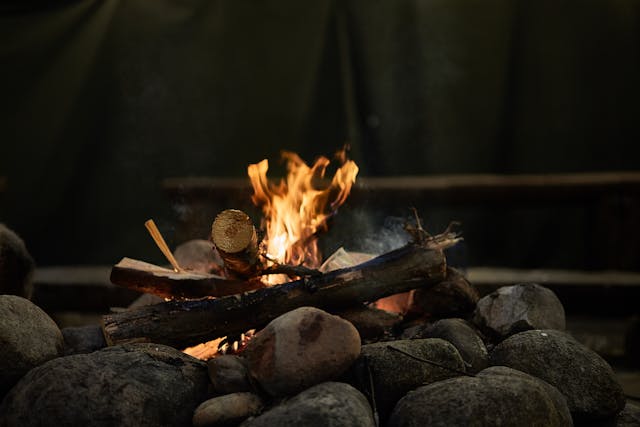

There’s something undeniably magical about gathering around a campfire, the warmth, the crackling flames, the s’mores. But the morning after? That’s when you realize your favorite hoodie now smells like you’ve been marinating it in woodsmoke for weeks. Campfire smell doesn’t just linger: it clings to your clothes with surprising tenacity, making every outfit feel like you’re still sitting by the fire. Getting that stubborn smoky odor out of your clothes isn’t as simple as tossing them in the wash and hoping for the best. Smoke particles are tiny, oily, and relentless, they burrow deep into fabric fibers and resist ordinary cleaning methods. But don’t worry: with the right techniques and a little patience, you can reclaim your wardrobe and say goodbye to that persistent campfire aroma. In this guide, you’ll learn exactly why campfire smell sticks around, how to remove it effectively, and what to do to prevent it from taking over your clothes in the first place. Campfire smell clings to clothes because smoke particles contain oily compounds that bond deeply into fabric fibers, making them difficult to remove with ordinary washing. Air out smoky clothes outside immediately after exposure and shake off loose ash particles to prevent the campfire smell from setting in permanently. Use baking soda or white vinegar as pre-treatment soaks to neutralize smoke odor before washing, but never mix them together as they cancel each other out. Wash clothes with enzyme-based detergent in warm water to break down organic smoke compounds, and always air dry in sunlight to avoid trapping any remaining odor. Prevent campfire smell by designating specific outfits for fire sessions, sitting upwind of smoke, and storing clean clothes in sealed bags during camping trips. Campfire smoke isn’t just an abstract scent floating in the air, it’s a complex cocktail of physical particles and chemical compounds that actively attach themselves to your clothing. When wood burns, it releases tiny particles of ash, soot, tars, and oily organic compounds. These particles are microscopic, which means they can easily penetrate deep into the weave of fabric fibers. What makes smoke especially stubborn is its composition. The smoke contains volatile organic compounds (VOCs) and partially burned oils that are highly odor-producing. These compounds don’t just sit on the surface of your clothes: they adsorb, essentially bonding, to the textile fibers themselves. Once they’re embedded, they don’t evaporate easily, which is why a quick rinse or simple air-out often isn’t enough. Porous materials like cotton, fleece, denim, and wool are particularly vulnerable. Their looser, more absorbent structures give smoke particles plenty of places to settle in and hold on tight. Synthetic blends and tightly woven fabrics can trap smoke too, but for different reasons, they create pockets and layers that prevent airflow, making it harder for the odor to escape. Not all campfire experiences leave the same smoky stamp on your wardrobe. Several factors can intensify how deeply the smell sets into your clothes. Moisture and body heat are major culprits. If you’re sweating while sitting near the fire, or if the air is humid, moisture helps drive smoke particles further into the fabric. Your body heat acts like a miniature steam press, encouraging those particles to bind more firmly. Dirt and sweat on your clothes also make the problem worse. Smoke particles latch onto existing grime, creating a stubborn layer that’s harder to wash away. If your clothes were already a little worn or soiled before the campfire, the odor will be more persistent. Long exposure is another key factor. Spending hours by the fire, or wearing multiple layers that trap smoke between them, gives those particles plenty of time to saturate your clothing. Tight weaves, synthetic blends, and layered outfits essentially act as smoke sponges. Finally, humid conditions or damp fabrics set the odor even deeper. If you packed up your smoky clothes while they were still slightly damp, or if you left them in a closed bag overnight, you’ve essentially locked in the smell. The longer smoke-laden clothes sit without treatment, the more stubborn that odor becomes. The best time to start fighting campfire smell is right after you leave the fire. One of the simplest and most effective first steps is to air out your clothes outside as soon as possible. Fresh air and UV light work together to disperse volatile odor molecules before they have a chance to set in permanently. Hang your smoky clothes on a line, over a fence, or on a hanger in a breezy spot. Sunlight is especially helpful, UV rays naturally break down some of the organic compounds in smoke, reducing the intensity of the odor. Even if it’s cloudy, outdoor airflow helps carry away the smell much more effectively than indoor air. Leave your clothes out for at least a few hours, but overnight is even better if weather permits. Just make sure they’re not exposed to rain or excessive moisture, which can set the smell deeper. This step won’t eliminate the odor entirely, but it dramatically reduces the workload for the washing stage. Before you do any soaking or washing, take a minute to shake out your clothes vigorously. This dislodges loose ash, soot, and surface particles that are clinging to the fabric. If you skip this step and go straight to washing, you risk rubbing those particles deeper into the fibers, making the odor even harder to remove. After shaking, use a soft-bristled brush or even your hand to gently brush off any visible residue. Pay special attention to cuffs, collars, pockets, and seams, these areas tend to collect the most soot. Doing this outside is ideal, so you’re not spreading ash and smoke particles around your home. It’s a small step, but it makes a noticeable difference in how well the rest of your odor-removal efforts work. Baking soda is one of the most reliable and affordable tools in your odor-fighting arsenal. It works by neutralizing acidic odor molecules in smoke, rather than just masking them. This makes it especially effective for campfire smell, which is rich in acidic compounds. For a pre-soak, fill a basin or your washing machine with lukewarm water and add about 1 cup of baking soda. Submerge your smoky clothes and let them soak for at least one hour, overnight is even better for heavily saturated items. The baking soda will work to break down the odor compounds while the water loosens the particles from the fabric. If you’re not up for a separate soak, you can add ½ to 1 cup of baking soda directly to your washing machine along with your regular detergent. It’s gentle enough for most fabrics and won’t damage your clothes, but it significantly boosts your wash’s odor-fighting power. White vinegar is another powerhouse for removing campfire odor. Its acidity helps break down smoke residues and neutralize alkaline compounds that cling to fabric. It’s particularly useful when baking soda alone isn’t cutting it, or when you’re dealing with especially stubborn smells. To use vinegar as a pre-treatment, add ½ to 1 cup of white vinegar to a basin of cool or lukewarm water. Soak your clothes for 30 minutes to an hour. The vinegar smell might be strong at first, but it dissipates as the clothes dry, and it takes the smoke odor with it. You can also add vinegar during the rinse cycle of your washing machine. Pour about 1 cup into the fabric softener dispenser or directly into the drum during the rinse phase. This method is gentler on fabrics than a full soak and still delivers impressive odor-neutralizing results. One thing to note: don’t mix baking soda and vinegar in the same soak or wash cycle. They neutralize each other and lose their effectiveness. Use one or the other, or alternate them in separate washes if needed. This might sound unconventional, but vodka or rubbing alcohol can work wonders on light to moderate campfire odors, especially for clothes that can’t be washed immediately or are dry-clean only. Alcohol dissolves some of the oily odor compounds in smoke and evaporates quickly, carrying the smell away with it. Pour vodka or rubbing alcohol (isopropyl alcohol) into a spray bottle and lightly mist your clothes. Don’t soak them, just a fine, even spray is enough. Before you spray your entire garment, do a color-fastness test on a hidden seam or inner hem. Some dyes can react to alcohol, so it’s better to be safe. Once you’ve sprayed your clothes, hang them in a well-ventilated area or outside to dry. The alcohol will evaporate within minutes, taking a good portion of the smoky odor with it. This method is especially handy for jackets, hats, or items you wore briefly and don’t want to put through a full wash cycle. It’s not a replacement for washing heavily soiled clothes, but it’s a great quick fix. When it comes to washing out campfire smell, not all detergents are created equal. You’ll want to reach for an enzyme-based detergent, which is specifically designed to break down organic compounds, exactly the kind of stuff that makes up smoke odor. Enzymes target proteins, oils, and other residues that regular detergents might leave behind. Look for labels that mention enzymes, or brands marketed for heavy-duty cleaning or odor removal. These detergents do more than just clean the surface, they actively attack the odor molecules embedded in your fabric. Plus to your enzyme detergent, consider adding baking soda or vinegar to boost the wash. If you’re using baking soda, add ½ to 1 cup directly into the drum along with your clothes. If you prefer vinegar, pour about 1 cup into the fabric softener dispenser or add it during the rinse cycle. Just remember: don’t use both at the same time, as they’ll cancel each other out. Water temperature plays a surprisingly big role in odor removal. As a general rule, use the warmest water that’s safe for your fabric. Check the care label on each garment, cotton and synthetics can usually handle warm or even hot water, while delicates and certain blends need cooler temps. Warm to hot water helps dissolve oils and loosen smoke particles more effectively than cold water. But, if you’re dealing with colors that might bleed or fabrics prone to shrinking, err on the side of caution and use warm (not hot) water. Run a full, normal wash cycle, don’t use quick wash or delicate cycles unless your fabric absolutely requires it. Longer agitation and rinse times give the detergent and additives more opportunity to break down and flush out odor compounds. Beyond baking soda and vinegar, you can also use commercial odor eliminators designed for laundry. Products like sports detergent boosters, odor-removing pods, or oxygen-based stain removers can add extra punch to your wash. Oxygen bleach (not chlorine bleach) is particularly effective for white and colorfast fabrics. It helps lift smoke residues and brightens fabric without the harsh damage of traditional bleach. Follow the product instructions for dosage, and add it to the drum at the start of the wash cycle. If you’re using any specialty odor eliminator, make sure it’s compatible with your detergent and safe for your fabric type. When in doubt, a combination of enzyme detergent plus baking soda or vinegar is hard to beat. Not every smoky garment can survive a spin in the washing machine. Delicate fabrics like silk, lace, wool sweaters, or items with embellishments need a gentler approach, but that doesn’t mean you’re stuck with the campfire smell forever. Start by filling a basin or sink with cool to lukewarm water. Hot water can damage delicate fibers, cause shrinking, or set stains. Add a small amount of mild detergent, something formulated for delicates or wool is ideal. You can also add a tablespoon of baking soda or a capful of white vinegar to the water for extra odor-fighting power, but go easy on the vinegar with silk or other pH-sensitive fabrics. Submerge your garment and gently agitate the water with your hands. Avoid wringing, twisting, or scrubbing, which can stretch or damage delicate fibers. Let the item soak for 10 to 15 minutes, allowing the detergent and water to loosen the smoke particles. After soaking, drain the soapy water and rinse thoroughly with cool, clean water. You may need to rinse two or three times to remove all the detergent and lingering odor. Gently press out excess water, don’t wring, and lay the garment flat on a clean towel. Roll the towel up to blot out more moisture, then lay the item flat to air dry, reshaping it as needed. Hand washing takes more time and care, but it’s the safest way to remove campfire smell from your most delicate pieces. How you dry your clothes after washing is just as important as how you wash them. If any trace of smoke odor remains in the fabric, tossing your clothes in a hot dryer can actually set the smell, making it even harder to remove later. The safest bet is to air dry your clothes outside whenever possible. Hang them on a line, over a railing, or on a drying rack in a sunny, breezy spot. Sunlight and fresh air are natural odor fighters, UV rays continue to break down residual smoke compounds, and airflow helps carry away any lingering scent. If outdoor drying isn’t an option, hang your clothes indoors in a well-ventilated room, near an open window, or in front of a fan. Just avoid damp, enclosed spaces like a basement or closet, which can trap moisture and odors. Once your clothes are completely dry and you’re confident the smoke smell is gone, then, and only then, can you use a machine dryer if you prefer. Heat from the dryer is fine once the odor is eliminated, but using it too early can lock in any remaining smoke particles. If you’ve successfully removed the campfire smell and are ready to machine dry, dryer sheets and wool dryer balls can add a pleasant finishing touch. Dryer sheets provide a light, fresh fragrance and help reduce static, while wool dryer balls naturally soften fabrics and improve airflow in the dryer. But, and this is key, don’t rely on dryer sheets or scent boosters to mask smoke odor. They can’t remove or neutralize the smell: they’ll only layer a fragrance on top of it, resulting in a weird smoky-floral hybrid that’s even less pleasant. Use these products only after you’re sure the odor is gone. If you want an extra boost of freshness, you can add a few drops of essential oil (like lavender or eucalyptus) to your wool dryer balls before tossing them in. This gives your clothes a light, natural scent without relying on synthetic fragrances. We offer convenient, professional laundry services delivered right to your door. Download the app and schedule pickup today for fast, affordable care of your clothes. If you’ve washed your clothes and the smoke smell is almost gone but not quite, don’t give up yet. Sometimes all it takes is repeated exposure to sunlight and fresh air to finish the job. Hang your clothes outside on a sunny day and leave them for several hours, or even a full day if possible. The combination of UV light and natural airflow continues to break down odor molecules that survived the wash. This method is especially effective for thicker fabrics like denim, fleece, and wool that tend to hold onto smells longer. You can repeat this process as many times as needed. Some people find that alternating between washing and airing out clothes over several days finally does the trick for particularly stubborn campfire odors. When fresh air alone isn’t enough, you can turn to natural odor adsorbents like activated charcoal or coffee grounds. These materials work by physically trapping odor molecules, pulling them out of the fabric over time. Place your clean, dry clothes in a large plastic bin or garment bag. Set an open container of activated charcoal or dry, unused coffee grounds near the clothes, not touching them directly, as you don’t want to transfer any residue or stains. Seal the bin or bag and let it sit for 24 to 48 hours. The charcoal or coffee grounds will absorb lingering odors from the air inside the container, gradually pulling the smell out of your clothes. This method works best for odors that are faint but persistent, rather than heavy, fresh smoke smells. Activated charcoal is especially effective and can be found in pet stores, home goods stores, or online. Coffee grounds are a more accessible option, though they have a scent of their own that some people find strong. Essential oils can add a pleasant, natural fragrance to your clothes, but like dryer sheets, they should only be used after the smoke odor has been removed, not as a substitute for proper cleaning. Once your clothes are smoke-free, you can add a few drops of essential oil to a spray bottle filled with water (about 10 drops per cup of water). Lightly mist your clothes and let them air dry. Lavender, eucalyptus, tea tree, and lemon are popular choices for their fresh, clean scents. You can also add essential oils to wool dryer balls, as mentioned earlier, or place a cotton ball dabbed with oil in your closet or drawer to keep your clothes smelling fresh over time. Just be mindful of the concentration, too much oil can leave spots on fabric, and some oils may irritate sensitive skin. Always test on an inconspicuous area first. Cotton and most synthetic fabrics, like polyester, nylon, and blends, are the easiest to treat for campfire smell. They can tolerate most washing methods, including baking soda, vinegar, and enzyme detergents. For cotton, you can use warm to hot water (check the care label) and a full wash cycle. Adding baking soda or vinegar to the wash boosts odor removal without damaging the fabric. Cotton is also durable enough to handle repeated washing if the smell persists. Synthetic materials are generally sturdy, but they can be more prone to trapping odors because of their tight weave and less porous structure. Use enzyme-based detergent and warm water as allowed by the care label. If the smell lingers, try a vinegar soak before rewashing. Both cotton and synthetics benefit from air drying outside in the sun after washing. Avoid the dryer until you’re sure the odor is completely gone. Wool and down require extra care. These natural fibers are more delicate and can be damaged by hot water, harsh detergents, or aggressive agitation. For wool, use cool water and a detergent specifically formulated for wool or delicates. Avoid wringing or twisting the fabric. You can add a small amount of baking soda to the wash water for odor control, but skip the vinegar unless the care label allows it, acidic treatments can sometimes affect wool fibers. Wash wool items by hand or on a gentle cycle, then lay them flat to air dry. Hanging wet wool can cause stretching, so always dry flat on a towel or drying rack. Down-filled items, like jackets, vests, or sleeping bags, also need special treatment. Use cool water and a down-specific detergent. Wash on a gentle cycle with minimal agitation. Adding a small amount of baking soda can help with odor, but avoid vinegar, which can affect the down’s loft. Dry down items on low heat in the dryer with clean tennis balls or dryer balls to restore fluffiness, or air dry flat in a well-ventilated area. Make sure down items are completely dry before storing them to prevent mildew. Leather and technical outerwear with waterproof coatings (like Gore-Tex or treated nylon) can’t be treated the same way as regular fabrics. Do not soak or machine wash these items unless the care label explicitly says it’s safe. For leather, the best approach is to air out the item thoroughly outside. Hang it in fresh air and sunlight for several hours or even a full day. You can gently wipe the surface with a damp cloth to remove any surface soot, but avoid getting the leather too wet. If the odor persists, use a leather-specific cleaner or conditioner, or take the item to a professional leather cleaner. Waterproof outerwear can usually be spot-cleaned or gently wiped down. Some technical fabrics can be machine washed on a gentle cycle with a specialized gear detergent, but always check the manufacturer’s instructions first. Avoid fabric softeners, bleach, and high heat, as these can damage waterproof coatings. If the smoke smell is deep and won’t budge, professional cleaning is often the safest option for leather and high-performance gear. The best way to deal with campfire smell is to prevent it from soaking into your clothes in the first place. With a few simple strategies, you can enjoy the fire without committing your entire wardrobe to a smoky fate. Designate a “campfire outfit.“ Choose a set of clothes, hoodie, jeans, flannel, that you don’t mind getting smoky and can wash aggressively afterward. Keep these items separate from the rest of your wardrobe and treat them as your go-to fire gear. That way, your favorite clothes stay fresh and clean. Store non-worn clothes in sealed bags. If you’re camping or spending extended time near a fire, pack extra outfits in airtight plastic bags or dry sacks. This keeps smoke from permeating clothes you’re not actively wearing. When you change, seal your smoky clothes in a separate bag to contain the odor. Sit upwind of the fire. This is campfire 101, but it’s worth repeating. Position yourself so the wind carries smoke away from you, not directly into your face and clothes. You’ll still get some exposure, but it’ll be far less intense. Avoid tightly packed layers. Layered clothing, especially fleece, down, or synthetic insulation, traps smoke between the layers and makes odor removal much harder. If you need warmth, opt for a single thicker layer rather than multiple thin ones, and choose materials that are easier to wash. Remove outer layers before going inside. If you’re camping or staying somewhere overnight, take off your smoky outer layers, jacket, hoodie, hat, before you go into your tent, cabin, or vehicle. Leave them outside or in a ventilated area overnight. This prevents the smell from transferring to your bedding, sleeping bag, or car interior. With a little foresight, you can keep campfire smell from becoming a laundry emergency every time you roast marshmallows. Campfire smell might be stubborn, but it’s not invincible. With the right combination of airing out, pre-treatment, strategic washing, and natural remedies, you can reclaim your clothes from even the smokiest outdoor adventures. Whether you’re dealing with a lightly smoky hoodie or a heavily saturated fleece jacket, the key is to act quickly, choose the right methods for your fabric type, and be patient if the odor needs multiple rounds of treatment. Remember to air out your clothes as soon as possible, use odor-neutralizing powerhouses like baking soda and vinegar, wash with enzyme-based detergents, and dry in fresh air and sunlight whenever you can. For persistent odors, natural adsorbents like activated charcoal and repeated sun exposure can finish the job. And if you’re proactive about prevention, designating campfire outfits, sitting upwind, and storing clean clothes in sealed bags, you can enjoy the fire without the laundry headache. Of course, if you’d rather skip the hassle entirely, Clotheslyne is here to help with your laundry needs. We can come by and pick up your smoky, campfire-laden clothes and return them washed, dried, and folded within 24 to 48 hours, so you can get back to enjoying the outdoors without worrying about the aftermath. Whether it’s campfire smoke, stubborn stains, or just your everyday laundry pile, Clotheslyne takes the work off your hands and delivers fresh, clean clothes right to your door. For those who prefer professional laundry care, Clotheslyne provides an ideal solution. Through the app, you can hire Clotheslyners for expert laundry services, including washing, drying, and folding of clothes and bulky items. Choosing Clotheslyne ensures your laundry is handled with care and expertise. It’s convenient for those who value their time and prefer professional laundry services. To use Clotheslyne, download the iOS Apple App or Google Play Store Android app to schedule your laundry pick up. You can also schedule your laundry pick up through our web portal. Fill up a tall kitchen bag full of clothes. A Clotheslyner in your community will pick it up and deliver it back to you washed, dried, and folded in 48 hours. It’s that simple. Got a question for us? Head over to our contact us page and make a custom request by email or by phone! We’re here to help. Air out clothes outside immediately in fresh air and sunlight, then shake off loose particles. Pre-soak with baking soda for an hour, wash with enzyme detergent in warm water, and air dry outdoors. This combination removes smoke odor effectively within hours. Campfire smoke contains tiny oily particles and volatile organic compounds that penetrate deep into fabric fibers. These microscopic particles bond to textiles, especially porous materials like cotton and fleece, making them resistant to simple washing methods. Yes, white vinegar effectively removes campfire smell by breaking down smoke residues. Add ½ to 1 cup to a pre-soak for 30-60 minutes, or pour it into the rinse cycle. The vinegar smell dissipates as clothes dry. Enzyme-based detergents work best for campfire smell because they break down organic compounds and oils in smoke particles. Look for heavy-duty or odor-removal formulas, and boost effectiveness by adding baking soda or vinegar to the wash. Avoid machine drying until campfire smell is completely removed, as heat can set remaining odor into fabric permanently. Air dry outdoors in sunlight first to ensure smoke particles are eliminated, then use the dryer if needed. Designate specific campfire outfits, sit upwind of the fire, store extra clothes in sealed bags, and remove smoky outer layers before entering tents or vehicles. These strategies minimize smoke exposure and keep your wardrobe fresh.Key Takeaways
Why Campfire Smell Sticks to Clothing
The Science Behind Smoke Odor
Factors That Make the Smell Harder to Remove
Immediate Steps to Take After Exposure
Air Out Your Clothes Outside
Shake and Brush Off Loose Particles
Pre-Treatment Methods Before Washing
Using Baking Soda to Neutralize Odors
Vinegar Soak for Stubborn Smoke Smell
Vodka or Rubbing Alcohol Spray Technique
Machine Washing Techniques for Smoke Removal
Choosing the Right Detergent and Additives
Optimal Water Temperature and Cycle Settings
Adding Odor Eliminators to the Wash
Hand Washing Methods for Delicate Fabrics
Drying Your Clothes Without Trapping Odors
Air Drying vs. Machine Drying
Using Dryer Sheets and Wool Dryer Balls
Get Your Laundry Done in 24–48 Hours with Clotheslyne


Natural Remedies for Persistent Campfire Odors
Sunlight and Fresh Air Treatment
Activated Charcoal and Coffee Grounds
Essential Oils for Freshening Fabrics
Special Considerations for Different Fabric Types
Cotton and Synthetic Materials
Wool and Down-Filled Items
Leather and Waterproof Outerwear
Prevention Tips for Future Campfire Sessions
Conclusion
Frequently Asked Questions
How do you get campfire smell out of clothes fast?
Why does campfire smoke stick to clothes so stubbornly?
Can you use vinegar to remove campfire smell from clothes?
What is the best laundry detergent for smoke odor removal?
Should you put smoky clothes in the dryer?
How do you prevent clothes from smelling like campfire smoke?
Tired of Spending Hours on Laundry?
Hire a Clotheslyner to wash, dry, and fold your laundry using our app. Laundry back in 24 to 48 hours.